Most people assume a weekend escape costs the same as a full‑week holiday, but the numbers tell a different story. I once booked a two‑night stay in a coastal town and spent £120 on food alone because I never set a daily limit. By contrast, a simple spreadsheet that caps meals at £15 per day and caps transport at £30 saved me £55 on the same trip. The difference shows up in the bank balance and the stress level.
Setting a Realistic Spending Cap
The first step is to decide how much you’re willing to spend in total. I use the “50‑30‑20” rule as a quick guide: 50 % of your weekly discretionary budget goes to essentials (fuel, accommodation), 30 % to experiences (activities, dining out), and 20 % to a buffer for unexpected costs. On a £300 weekend allowance, that translates to £150 for the hotel, £90 for meals and entertainment, and £60 as a safety net.
Write the numbers down on a phone note or a paper sheet. Seeing “£150 hotel” instead of “a decent place” forces you to compare options objectively.
Choosing Accommodation That Fits the Numbers
Hostels, B&Bs, and Airbnb rentals all sit in the £50‑£120 range for a Saturday‑Sunday stay, depending on location. I compared three listings in Brighton: a city centre hotel at £115 per night, a seaside B&B at £80, and an Airbnb at £65. After factoring in a £10 cleaning fee for the Airbnb, the total cost was £140, just under my £150 cap. The B&B offered a complimentary breakfast, shaving £20 off my food budget.
Tip: Look for places that include extras like free parking or Wi‑Fi. Those perks reduce hidden costs later.
Meal Planning Without Missing Out
Eating out for every meal can quickly blow a budget. I allocate £15 per person for breakfast, £20 for lunch, and £25 for dinner. To stay within those limits, I pack a portable breakfast (granola, fruit, coffee) and scout local markets for lunch ingredients. On a recent trip to York, I bought a cheese board for £12 at a market and paired it with a bottle of local cider for £8, staying well under the £20 lunch ceiling.
When you do want a restaurant experience, look for set menus. A three‑course set at £22 often includes a drink, giving better value than à la carte ordering.
Transport Hacks That Keep Money on the Table
Driving may seem convenient, but fuel, tolls, and parking add up fast. I calculated my round‑trip fuel cost at £25, plus £10 for a city centre car park. Switching to a train saved £15 on fuel and eliminated parking fees, though the ticket cost £30. The net saving was £5, but the real benefit was the stress‑free ride and extra time to read.
For short hops, consider a rideshare carpool. Splitting a £12 fare between two people reduces the cost to £6 each, well within the £30 transport budget.
Balancing Fun and Finance
Even a tight budget can include a memorable activity. In Bath, I booked a Roman‑bath pass for £18 during a weekday discount, which is 40 % cheaper than the weekend rate. The experience felt luxurious without breaking the £90 entertainment limit.
Sometimes a small splurge is worth it. I spent an extra £10 on a sunset boat tour in Cornwall, which became the highlight of the trip. Because I had a £60 buffer, the splurge didn’t jeopardise the overall plan.
Linking Budget Wisdom to Online Entertainment
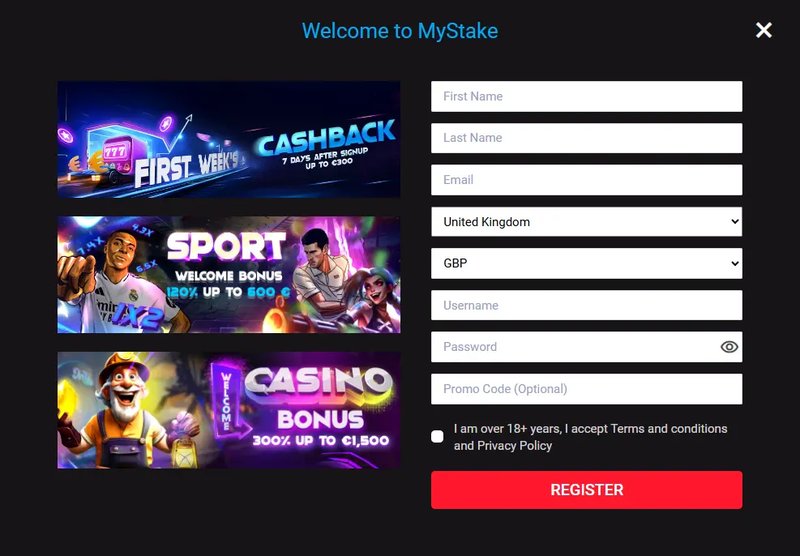
Just as a clear budget makes a weekend getaway smoother, setting limits for online gaming helps keep the fun affordable. For anyone curious about how disciplined spending applies across hobbies, the mystake casino login page offers a practical example of managing leisure expenses responsibly.
Which Approach Wins?
If you value predictability, the 50‑30‑20 rule combined with a simple spreadsheet provides a solid framework. If you prefer flexibility, allocate a larger buffer and adjust categories on the fly. In my experience, the structured method prevents surprise expenses and leaves room for one or two indulgences that turn a good weekend into a great one.
Bottom line: a concrete budget turns vague plans into measurable outcomes, letting you enjoy the destination rather than worry about the bill.
Frequently Asked Questions
How do I set a realistic daily spending limit for meals?
Estimate the average cost of meals in your destination and subtract any existing budget. A common approach is to set a per‑meal cap and multiply by the number of days.
What if I want to splurge on a special activity?
Allocate a small discretionary fund in your spreadsheet; just keep track of it so you don’t exceed your overall budget.
Can I use a mobile app to track my budget?
Yes, many free apps let you set daily limits and automatically notify you when you’re close to the cap, making it easier to stay on track.